
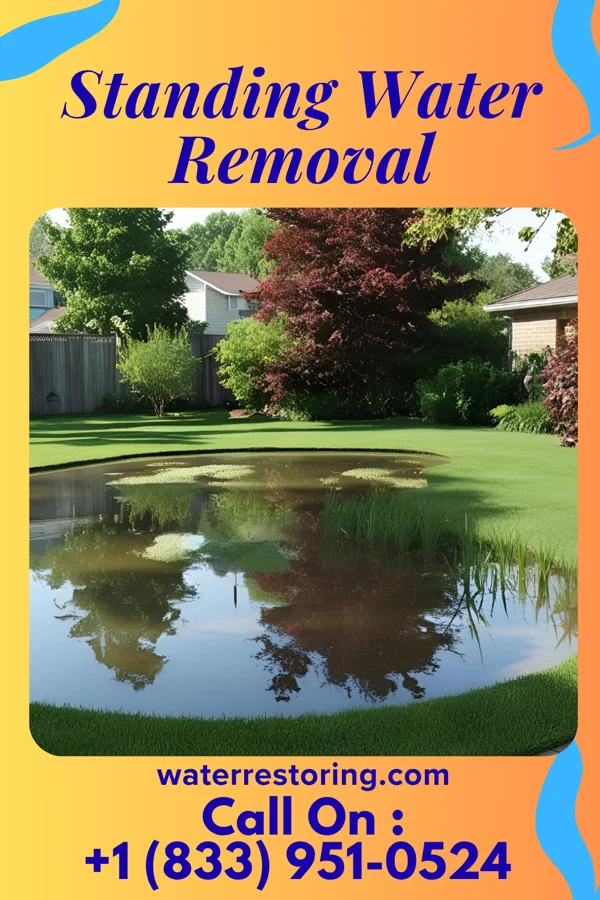
Standing Water Across Rock Port Neighborhoods
Every neighborhood in Rock Port has a different water damage risk profile. The one that shows up on most restoration calls is In Rock Port, Missouri, the primary water damage cause is often due to heavy rainfall and flash flooding, particularly during spring and early summer when the region experiences frequent thunderstorms. Additionally, outdated or improperly maintained septic systems in rural areas contribute to groundwater contamination and localized water intrusion.. A close second is Secondary causes include burst pipes in older homes, leaking roofs due to aging infrastructure, and water infiltration from nearby streams or rivers during high water events. Agricultural runoff and irrigation systems in the surrounding countryside can also lead to unexpected water pooling near residential properties..
Rock Port's rural setting and proximity to the Missouri River make it susceptible to sudden water accumulation, especially during the spring thaw and summer storms. The area's flat terrain exacerbates the risk of prolonged standing water, which can lead to significant property damage if not addressed promptly.
Water damage in Rock Port follows a few local patterns. In Rock Port, Missouri, the primary water damage cause is often due to heavy rainfall and flash flooding, particularly during spring and early summer when the region experiences frequent thunderstorms. Additionally, outdated or improperly maintained septic systems in rural areas contribute to groundwater contamination and localized water intrusion. accounts for the bulk of our calls. Rock Port's rural setting and proximity to the Missouri River make it susceptible to sudden water accumulation, especially during the spring thaw and summer storms. The area's flat terrain exacerbates the risk of prolonged standing water, which can lead to significant property damage if not addressed promptly. Mold growth in Rock Port can develop rapidly due to the region's humid climate and frequent moisture exposure. Prompt water extraction and drying are crucial to prevent mold from taking hold in homes and businesses, particularly in the damp, rural environment.